


Key Takeaways
- A hidden carpet stain under furniture often returns because moisture and soil get trapped deeper in the carpet backing or pad, then pull back to the surface as the area dries.
- Limited airflow under sofas, beds, and other heavy furniture can slow drying and make carpet stains more likely to reappear.
- The most useful first step is to figure out whether you are dealing with surface soiling, a wicking problem, or contamination that has reached the pad.
- DIY mistakes such as over-wetting, scrubbing, skipping the rinse step, or leaving cleaner residue behind can make the same spot look like it keeps returning.
- When a hidden stain keeps coming back, professional carpet cleaning may be the better option, especially if odor, spreading, or repeated reappearance suggests a deeper problem.
Why Hidden Carpet Stains Under Furniture Reappear
You move the sofa to vacuum or rearrange the room and find a stain you forgot was there. You blot it, clean it, and it looks gone. Then you check again later that day or the next day, and the same mark has returned.
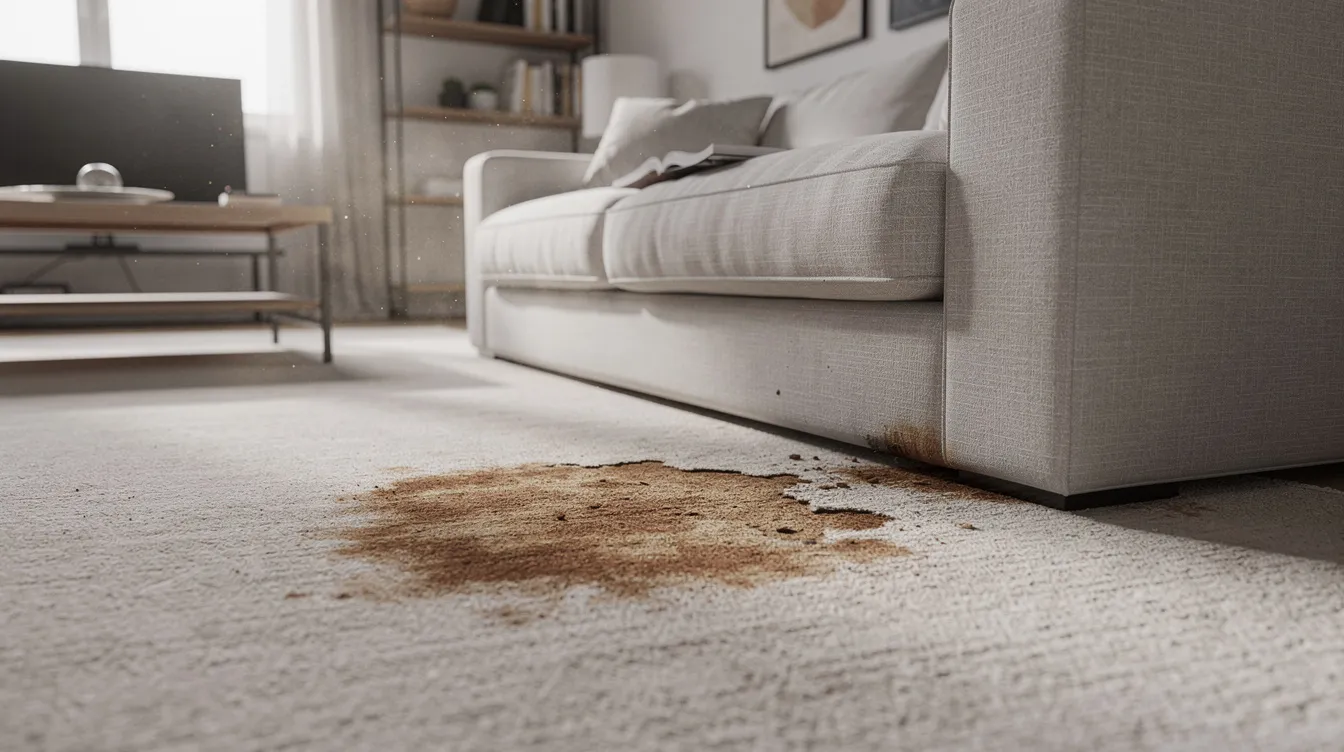
That is a common pattern with a hidden carpet stain under furniture. The reason is often not that you missed the spot on the surface. Some of the spill or soil may still be deeper in the carpet system. As the area dries, that material can travel back up into view.
Under furniture, stains are easier to miss, dry more slowly, and are more likely to be disturbed by repeated DIY attempts. The result is a frustrating cycle: clean it, let it dry, and see it again. This guide explains why that happens, how to tell what kind of problem you are dealing with, and when it makes sense to stop spot cleaning and call for help.
What Carpet Wicking Means
One of the main reasons a hidden carpet stain under furniture comes back is wicking. Wicking happens when moisture and soil move from the base of the carpet yarns or backing back up to the visible fiber tips as the carpet dries.
A simple way to picture it is a paper towel touching a spill. The liquid travels upward through the material on its own. Carpet can behave similarly after a spill or after a cleaning attempt that uses too much moisture.
This is especially common with larger liquid spills, old pet accidents, coffee, soda, or any stain that soaked below the surface before anyone noticed it. If you clean only the top of the carpet while moisture and stain material remain underneath, drying can pull the discoloration right back into view.
Furniture makes this worse because it reduces airflow. A spot in the middle of the room may dry relatively quickly. A spot under a sofa or bed may stay damp longer, giving wicking more time to happen.
Signs the Spot Is Wick-Back, Not Just a Surface Mark
Hidden stains that are coming back from below usually leave clues. Watch for these patterns:
- The shape returns after drying. The area looks better while damp, then the mark returns in a similar outline once the carpet dries.
- A ring or halo forms. The visible stain may develop a darker edge around it as moisture spreads and dries.
- The spot looks worse later. Instead of improving steadily, it becomes more noticeable after the cleaned area has dried.
- The area stays cool or slightly damp. If the carpet under furniture feels cooler than the surrounding area, moisture may still be sitting below the surface.
- Each cleaning attempt spreads it wider. More liquid can push the stain farther into the backing and enlarge the visible area.
If you have layered rugs over carpet or keep furniture in the same position for long stretches, it is also worth checking whether discoloration extends beyond the first visible mark.
When It May Be a Set Stain Instead
Not every recurring spot is wick-back. Some stains remain because the color has bonded to the carpet fiber itself or the fiber has been permanently altered.
With a set stain, the mark usually does not disappear just because the area is damp. It also tends to stay more stable in shape. Instead of fading while wet and reappearing as it dries, it simply remains there.
Possible examples include dye transfer, rust from a furniture leg, long-ignored plant leaks, or older pet stains that have chemically changed the fiber. In those cases, repeated surface cleaning may do little, and aggressive home treatments can create additional damage or color loss.
If you are not sure what caused the spot, it is safer to avoid experimenting with strong oxidizers, high-pH cleaners, or random household mixtures.
Why Furniture Makes Drying Slower
The location of the stain matters. Carpet beneath furniture usually dries more slowly because air does not circulate as freely around the affected area.
That matters because slow drying gives moisture more time to pull stain material upward. It also leaves any leftover cleaning residue in place longer. If that residue stays in the carpet, it can attract fresh soil and make the same area look dirty again.
Even a careful cleaning attempt can backfire if the carpet under the sofa, bed, or side table never really dries out. Running a fan, opening up the space, and keeping the area uncovered until it is fully dry can help reduce the chance of the stain returning.

Safe First Steps for a Hidden Carpet Stain Under Furniture
If the spot is small and the carpet isn’t wool, a specialty fiber, or an unknown material, you can try a few low-risk steps before calling a professional. If you are unsure what the carpet is made of or whether a cleaner is compatible, stop with basic blotting and drying rather than guessing.
- Move or shift the furniture safely. Use sliders or get help if the piece is heavy. Avoid dragging furniture across the carpet.
- Vacuum the area first. Loose grit and dry soil can interfere with spot cleaning and make blotting less effective.
- Blot, do not scrub. Use a clean white towel and press from the outside toward the center. Scrubbing can distort fibers and push the stain deeper.
- Test any cleaner in a hidden area. A quick spot test can help avoid color damage.
- Use minimal moisture. Apply only a small amount of carpet-safe cleaner to your towel or cloth rather than soaking the carpet.
- Rinse lightly. After using any cleaner, blot with a damp towel to remove as much residue as possible.
- Dry the area quickly. Leave the spot uncovered and run airflow across it until it feels fully dry.
If you want a broader decision guide for last-minute spots before company arrives, Guardian’s guest-ready carpet cleaning guide is a useful next read.
DIY Mistakes That Make Carpet Stains Return
Many recurring stains get worse because of the cleanup method, not just the original spill. Common mistakes include:
- Over-wetting the carpet. Too much liquid can drive the stain deeper and soak the pad.
- Using dish soap or heavy household cleaners. These can leave sticky residue if they aren’t thoroughly removed.
- Scrubbing with force. This can rough up the carpet and spread the stain.
- Layering multiple spotters. Combining products without fully removing the earlier one often creates buildup.
- Skipping the rinse step. If cleaner stays in the carpet, the area may attract soil quickly and look stained again.
- Using powders or deodorizers in tight hidden areas. They can settle into the backing and be difficult to remove completely.
That is one reason residue matters so much. If the original spill is partly removed but the carpet is left with sticky cleaner residue, the same area can keep looking dirty even after the stain improves. For more on that problem, see Guardian’s article on residue-free carpet cleaning.
When the Problem May Be Deeper Than the Carpet Surface
Sometimes a hidden carpet stain under furniture signals that liquid went through the carpet backing and into the pad below. When that happens, surface treatment may not be enough.
This often happens with repeated pet accidents, larger beverage spills that sat unnoticed, or moisture from planters, windows, or furniture-related leaks. You may be dealing with more than a visible stain if you notice:
- A sour, musty, or persistent odor after the area dries
- A stain that spreads wider after each cleaning attempt
- Padding that feels odd underfoot, such as unusually firm, spongy, or uneven
- Visible discoloration on the carpet backing when lifted by a professional
At that stage, the real issue may be below the pile. In more severe cases, the pad may need additional treatment or replacement.
When It Makes Sense to Call a Professional
DIY is usually reasonable for a small, fresh, clearly identified spot. It makes less sense when the same mark keeps returning, or the problem appears to be deeper than the surface.
Consider calling a professional carpet cleaner if:
- The stain has come back after careful spot cleaning and drying
- There is still an odor after the carpet feels dry
- The stain is spreading or developing a halo
- The carpet is wool, high-pile, patterned, or otherwise higher-risk for DIY work
- You need the room ready for guests, listing photos, or a move
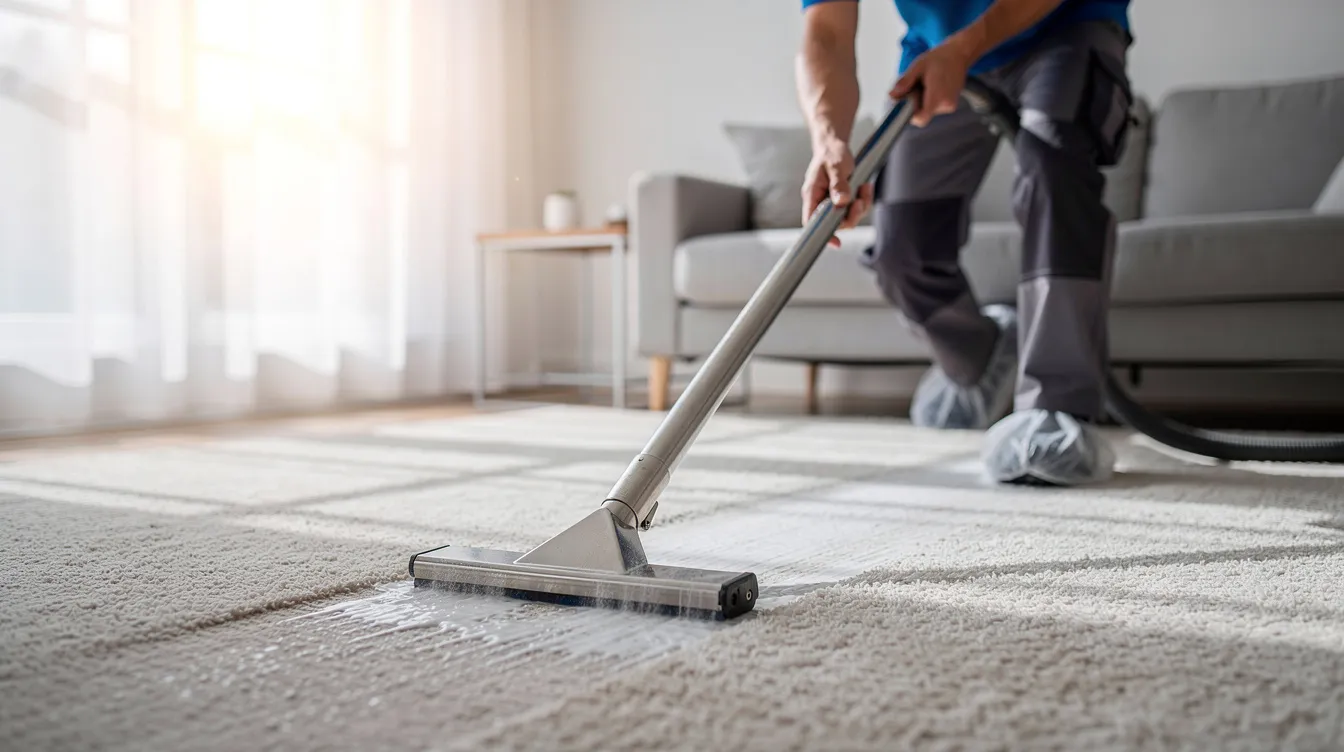
Professional treatment can help when the issue is not just a mark on the tips of the fibers, but material left deeper in the carpet system. Depending on the carpet and the problem, that may involve thorough rinsing, extraction, targeted stain treatment, and better moisture control than a typical home cleanup can provide.
How Guardian Carpet Care Can Help With Recurring Hidden Stains
For recurring stains under furniture, the real question isn’t just how to make the spot look better for an hour. It is whether the problem is in the fiber tips, deeper in the backing, or tied to residue left by earlier cleaning attempts.
Guardian Carpet Care offers professional carpet cleaning for homes in Lincoln, Rocklin, Roseville, and nearby Placer County communities. If you are dealing with a hidden carpet stain under furniture that keeps returning, you can book online or call (916) 547-0416 to ask about available options.
FAQ: Hidden Carpet Stain Under Furniture
Below are answers to common questions about this topic.
Can I ignore a stain if it is hidden under a sofa or bed?
You can, but it may not stay harmless. If moisture or residue remains below the surface, the area can continue to discolor or develop odor over time.
Should I put the furniture back before the carpet is fully dry?
It is better to wait. Putting furniture back too early can trap moisture and slow drying even more.
Will carpet protector stop an old hidden stain from returning?
No. A protector can help with future spills, but it will not remove stain material or residue already in the carpet or pad.
Do area rugs over carpet make this worse?
They can. Extra layers can reduce airflow and slow drying, which increases the chance of wick-back after a spill or cleaning attempt.
How often should carpets be professionally cleaned?
That depends on traffic, pets, and household conditions. Homes with kids, pets, or frequent spills usually need more attention than lower-traffic homes.


