


Getting hard floors truly clean during a turnover is one of those jobs that always takes longer than you planned. Whether you are prepping for new tenants, overnight guests, or listing photos, a solid turnover cleaning checklist keeps you from guessing, backtracking, and repeating work you already did. This guide breaks down the workflow for hard surface floors in Placer County homes and shows you where time actually gets lost.
Key Takeaways
- Turnover cleaning checklists help prevent missed details and ensure consistency across move-outs, guest prep, and rental flips, especially in the bathroom where small issues are often overlooked. A thorough turnover cleaning ensures a five-star guest experience, whether the property is a vacation rental or your own home before the holidays.
- The fastest hard-floor turnovers always begin with a structured inspection and dry debris removal, not a wet mop or steam cleaner. Skipping that step is the single biggest reason the job drags on.
- Dust, pet hair, sticky cleaner residue, and dirty tile grout are the main reasons hard floors take longer to clean than homeowners expect, especially in the Placer County climate.
- A smart sequence (clear, dry clean, spot treat, agitate, rinse, inspect) reduces repeat passes and helps property managers and homeowners maintain quality with better detail and less guesswork.
- Guardian Carpet Care, a family-owned and veteran-owned cleaning company in Placer County, handles deep tile grout restoration, pet urine treatment, and residue problems when DIY effort stops producing results.
Why Hard-Floor Turnovers Slow Down In Placer County Homes
If you have ever tried to flip a rental unit in Lincoln between tenants, prep a Rocklin home for weekend guests, or get a Roseville listing photo-ready on short notice, you already know hard floors take more time than you budgeted. The turnover cleaning checklist you used on carpet does not translate directly to tile, hardwood floors, or vinyl, and the reasons are specific to both the surfaces and the environment.
Placer County sits in the Sacramento Valley with a Mediterranean climate: hot, dry summers that kick up dust, seasonal pollen, and wildfire ash, followed by cool winters that bring tracked-in mud from patios and garages. That combination means hard-surface floors collect more grit than homeowners in milder climates expect. Add pet hair from dogs that spend time in yards and pet urine around feeding areas, litter boxes, or dog doors, and the extra steps start multiplying.
Then there is the residue problem. Overuse of all-purpose cleaners and “quick shine” products leaves a film on tile and vinyl that grabs dirt and makes every future mopping session less effective. When you finally try to do a deep clean for a turnover, you are fighting layers of sticky buildup on top of the actual soil. This article lays out a practical, step-by-step turnover cleaning checklist that works across floor types in local homes and light commercial spaces, so you can see where time really goes and cut it short.
Start With A Quick Inspection Before Any Turnover Cleaning
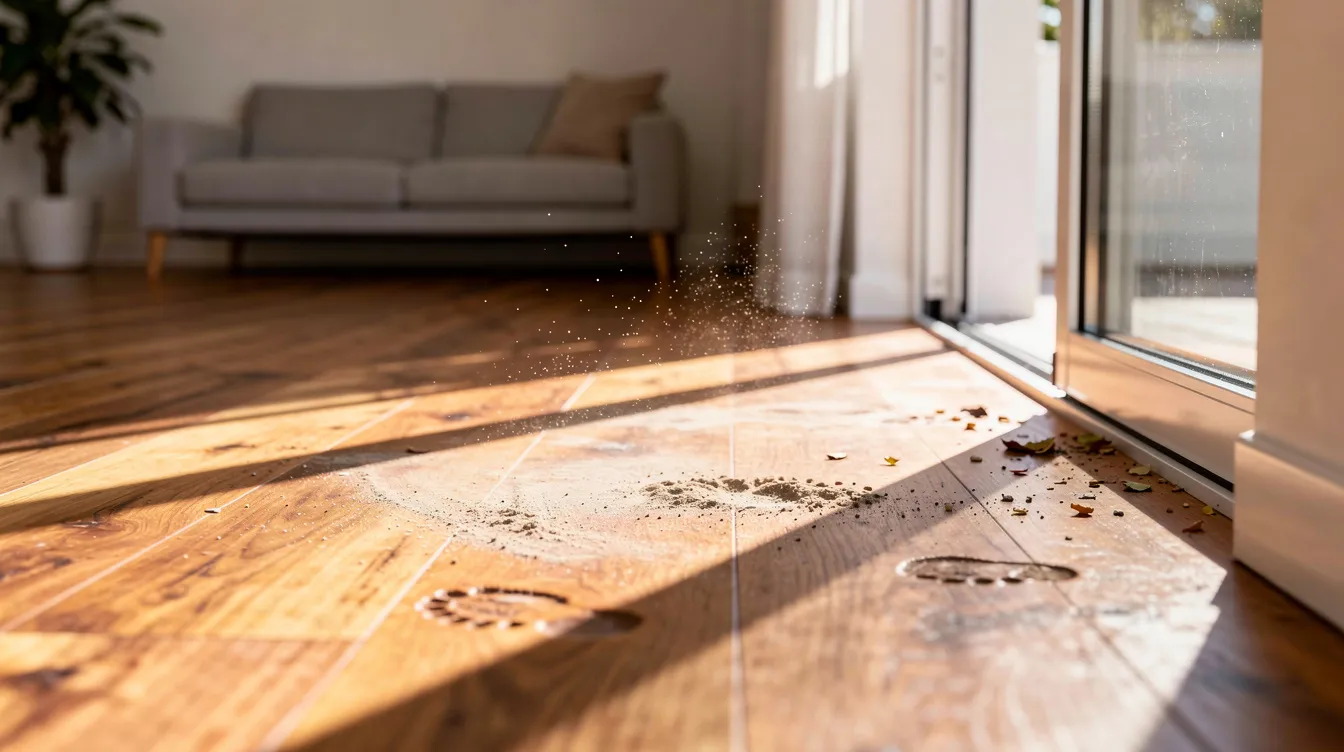
A structured visual inspection is essential before cleaning. Spending 10 to 30 minutes walking the space before you touch a mop will save you more time than any extra scrubbing later. A floor inspection typically takes 15 to 30 minutes depending on the size of the home.
Walk each room in good light and look across the floor at a low angle. Visual inspections reveal dull traffic lanes and residue on floors that you would miss looking straight down. During this walkthrough, inspectors identify soil type and finish condition so you know whether you are dealing with embedded grit, dried spills, grease buildup, or soap scum on tile.
Things to check during your inspection:
- Traffic lanes from the front door through the kitchen and hallways
- Tile grout color around stoves, toilets, and shower bases
- Edges along baseboards where dust and pet hair accumulate
- Warped, cupped, or scratched hardwood floorboards that indicate moisture or wear
- Light switches, doorknobs, and other high-touch surfaces that need disinfection later
Final inspections during turnover should also check for property damage and security concerns like broken locks or cracked tile, since some issues require repair work and fall outside the cleaning scope. Inspectors use moisture meters to detect hidden water damage behind baseboards or under vinyl transitions, and they check moisture levels when cupping or soft spots appear. Property managers should snap a few “before” photos in each room to document floor condition for tenants or owners.
Gather The Right Tools And Cleaning Products First
Stopping to hunt for tools is a hidden time waster during turnover cleaning. Get everything staged by the front door before you start.
Essential tools for hard floor cleaning:
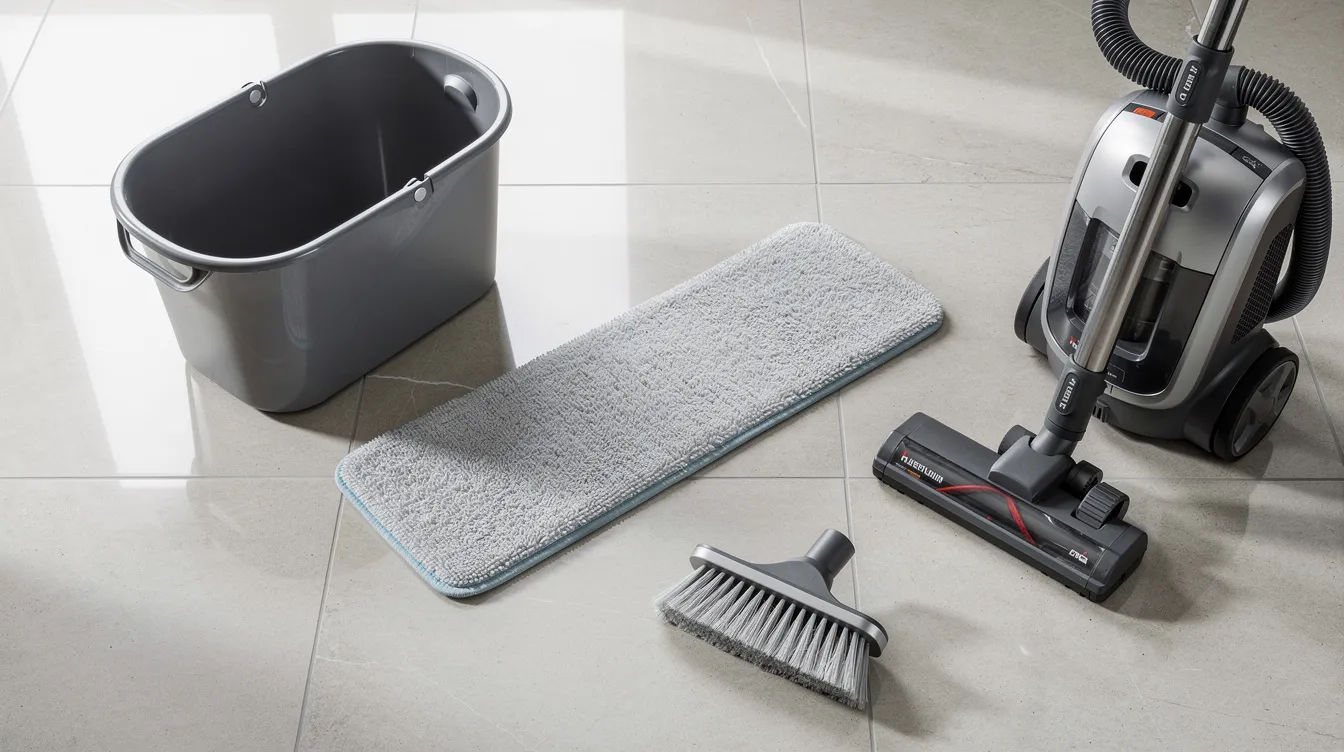
| Tool | Purpose |
|---|---|
| Vacuum with hard-floor setting | Remove dust, grit, and pet hair without scattering debris |
| Flat microfiber mop | Damp cleaning without excess water |
| Bucket with clean rinse water | Keeping mop pads or heads fresh |
| Soft bristle brush | Scrubbing tile grout lines |
| Crevice tool | Stair edges, corners, and under furniture |
For Placer County homes with pets, a rubber broom helps gather pet hair from corners, and a scraper handles dried food or paint drips.
pH-neutral cleaning solutions are safest for most sealed tile and luxury vinyl. Hardwood floors need wood-safe cleaners recommended by the manufacturer, not vinegar or general-purpose sprays. Eco-friendly cleaning products leave no harsh chemical residue and are a smart default. EPA Safer Choice products meet federal safety and biodegradability standards, and certified organic cleaning products are increasingly used in turnover cleaning for vacation rentals. Eco-friendly products can also improve indoor air quality, which matters in homes with allergy-sensitive residents or limited ventilation.
Keep a dedicated pet urine treatment product on hand for fresh accidents. For older or widespread urine issues with strong odors, some owners hire a commercial cleaning service for enzymatic treatments and specialized work around porous grout and wood seams.
Dry Debris Removal: The First Real Step In Any Turnover Clean
Most wasted time in floor cleaning comes from trying to mop through dust and grit instead of removing it first. If you skip this step or rush it, you push fine particles around, creating muddy streaks and scratching finishes.
The recommended sequence:
- Vacuum or sweep all hard surface floors, starting in the farthest room and working toward the exit.
- Vacuum edges, corners, and under overhangs where pet hair collects.
- Use a crevice tool along baseboards and stair edges.
Dusting furniture and surfaces above the floor is necessary for a comprehensive clean because settled dust falls right back down onto freshly cleaned floors. Best practices include briefly opening windows while cleaning to improve ventilation and speed drying.
In homes near busy roads, open fields, or wildfire-prone areas around Auburn and Newcastle, HEPA vacuuming is worth the effort to control fine dust and allergens. Standard vacuums can scatter particles, and robot vacuums often miss edges and corners. Brooms work for large debris but leave fine grit behind on smooth surfaces. A proper dry pass also reduces scratches on hardwood floors by removing grit before any damp cleaning or machine work. Floors must be vacuumed or mopped thoroughly during cleaning, but the order matters.
Spot Problems That Slow You Down: Residue, Grout, And Pet Zones
A few stubborn areas can double the time it takes to finish a turnover cleaning. Spotting them early lets you treat them with the right dwell time instead of discovering them mid-mop.
Testing for residue: Lightly slide a clean, dry microfiber towel across tile or vinyl. If it feels tacky or squeaks, you have leftover cleaner film. That residue traps new dirt and leaves a hazy finish no matter how many times you mop over it.
Grout lines: Dark, sticky, or uneven tile grout in kitchens and bathrooms signals that standard cleaning isn’t enough. Those areas need targeted scrubbing with a brush and possibly a different chemistry than the rest of the floor. When tile grout maintenance fails and the floor still looks dirty after repeated cleaning, it may be time for professional tile and grout cleaning.
Pet zones in Placer County homes: Check sliding door thresholds, hallways near bedrooms, and areas around dog beds. Look for hair tumbleweeds along baseboards and any discoloration or odors that suggest pet urine staining beneath the surface.
Your Turnover Cleaning Checklist For Hard Floors: Step-By-Step
This checklist works for most solid-surface floors in occupied homes, rentals, and small offices. Keep each step short and move through them in order.
- Clear the floor. Remove small furniture, area rugs, and obstacles. Strip linens and replace with fresh materials if the space is a rental or guest room.
- Dry debris removal. Vacuum or sweep thoroughly, including edges and under overhangs.
- Empty trash. Waste management involves emptying trash and replacing liners during cleaning. Handle garbage from all rooms before wet work begins.
- Spot treat. Address sticky spots, dried spills, and pet accidents with appropriate products. Allow correct dwell time per the product label.
- Sanitize high-touch surfaces. Disinfect high-touch surfaces like doorknobs and light switches during cleaning.
- Clean kitchen appliances. Clean kitchen appliances inside and out during a turnover clean.
- Scrub bathrooms. Scrub and sanitize toilets, showers, and sinks.
- Agitate. Use a mop or brush to work cleaning solution into tile grout lines and high-traffic areas. Use lighter pressure on hardwood, and more scrubbing on ceramic tile.
- Rinse or wipe down. Use a clean, damp microfiber pad with fresh water to remove cleaning solution. For tile, a second rinse helps clear residue. For hardwood, keep moisture minimal.
- Final walk-through. Check every room for streaks, hazy film, missed corners, and transitions. Sanitize general areas carefully during turnover cleaning.
Sequencing Rooms And Tasks To Maintain Quality Under Time Pressure
For property managers coordinating multiple turnovers in the same day, room order matters almost as much as the cleaning itself.
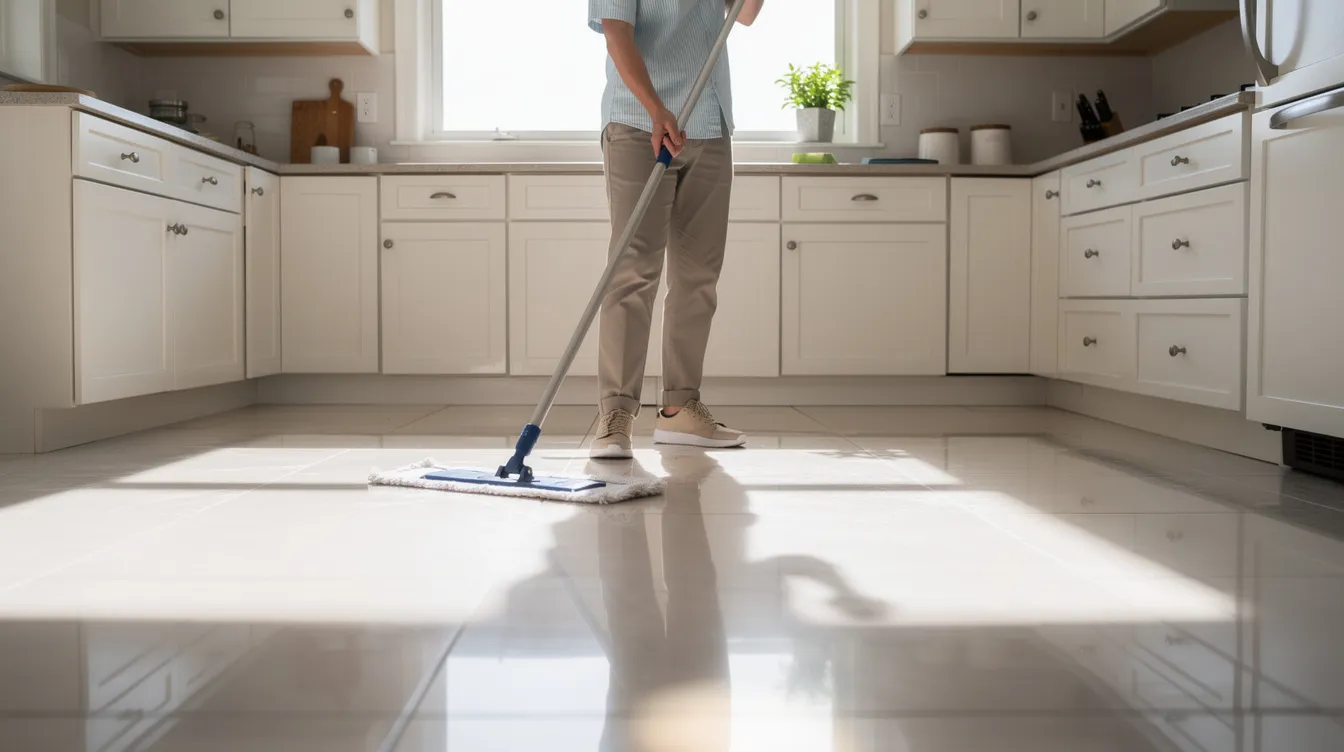
A practical room order: start with the farthest bedrooms, then move to hallways, common areas, living spaces, and finish with kitchens and bathrooms where heavier soil usually sits. Cleaning “top-down and dry-to-wet” reduces rework. Dust ceiling fans and blinds before vacuuming and mopping floors beneath them.
For larger homes in Granite Bay or Roseville, splitting tasks between two people is more efficient: one person handles dry tasks (vacuuming, edge work, dusting furniture) while the other follows with damp mopping. Photos or quick checklists taped to the back of a linen closet door help maintain quality across different cleaners or family members.
Final checks should ensure all utilities are set correctly, and the property is staged for the next occupant or guest. That includes checking thermostat settings, verifying that water heaters are on, and confirming that no windows were left open after airing out.
Special Considerations For Tile, Grout, And Hardwood Floors
Tile grout and hardwood floors are where most DIY turnover cleaning slows down or goes wrong.
Tile and grout: In greasy kitchen zones, use an alkaline cleaner with a brush along grout lines, followed by a clear rinse, to remove grease buildup that standard mopping leaves behind. Effective grout cleaning requires agitation, not just chemical contact. For deeper discoloration or soap scum in showers, professional tile and grout cleaning with truck-mounted equipment makes a noticeable difference.
Hardwood floors: Avoid steam, soaking wet mops, and harsh alkaline products. Use wood-safe, pH-neutral cleaners and a nearly dry microfiber pad. Hardwood floor care tips for pet owners cover long-term maintenance habits that prevent the kind of damage that shows up at turnover time.
Professional cleaning can remove surface soil and some staining, but porous grout and older hardwood may show permanent wear that no cleaning service can fully erase. Being honest about those limits helps property managers set fair expectations.
In mixed-flooring homes (tile kitchens leading into hardwood living rooms), change tools and products as you cross transitions. Using the wrong chemistry on the wrong surface voids warranties and damages finishes.
DIY Turnover Cleaning Vs Professional Floor Cleaning Services
Many Placer County residents handle basic turnover cleaning on their own, and for light soil that is usually enough.
DIY is usually sufficient when:
- The home has light soil from one or two people
- Floors were professionally cleaned within the last year
- No visible grout discoloration or pet accidents
Professional cleaning services are more efficient when:
- Heavy pet hair and dander cover multiple rooms
- Long-term pet urine or persistent odors are present near baseboards
- Sticky residue covers large areas of tile or vinyl
- Deeply stained tile grout in kitchens and showers resists scrubbing
- A tight move-out deadline leaves no room for repeat passes
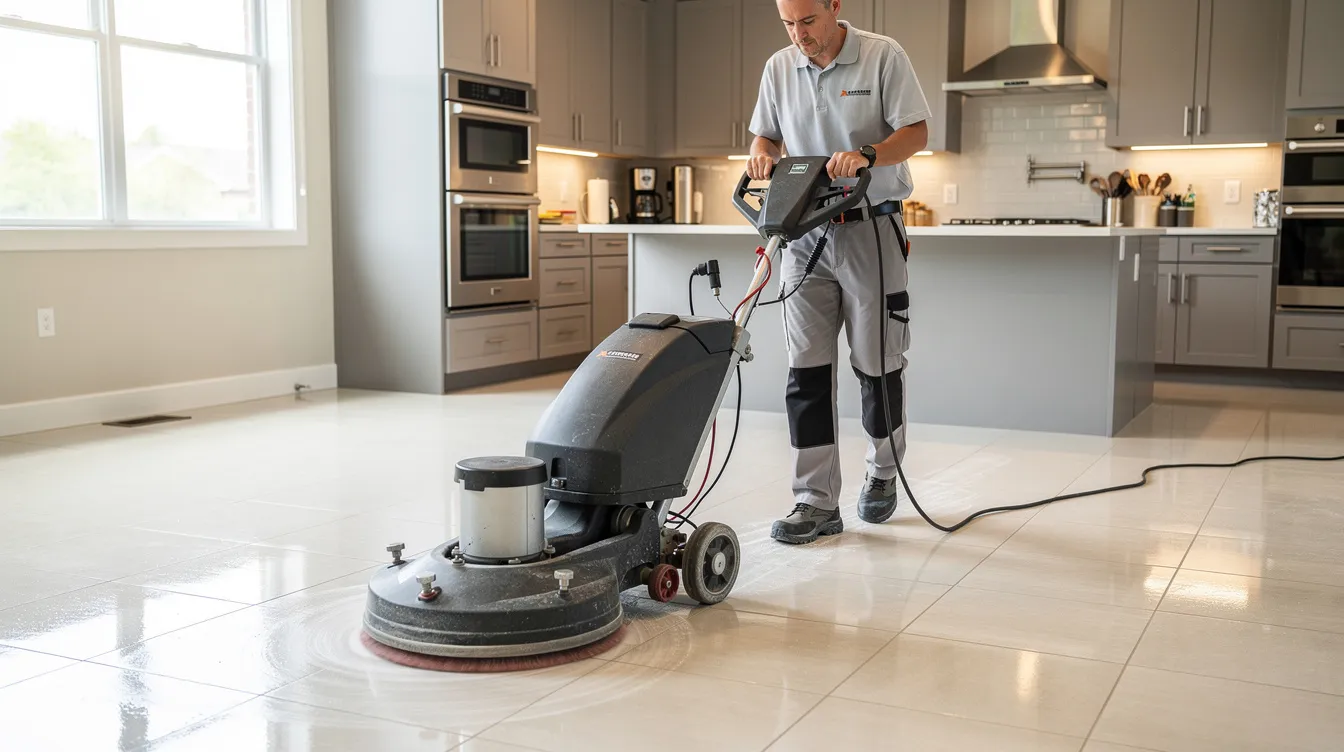
Professional equipment like truck-mounted hot-water extraction, low-moisture cleaning systems, and CRB agitation machines can remove residue and soil faster than consumer gear. Professional cleaning can also significantly improve indoor air quality by extracting embedded particulates that vacuuming alone misses.
Compare the cost of half a day of your labor plus supplies to a one-visit professional team. Many owners hire a commercial cleaning service when the job goes beyond standard cleaning. Guardian’s approach to residue-free cleaning for busy homes and guest-ready carpet cleaning decisions is worth reviewing when weighing options.
Turnover Cleaning Tips For Property Managers And Small Businesses
Property managers handling multiple units in complexes around Lincoln, Citrus Heights, or Antelope need a scalable process.
A standard 2-bedroom vacation rental turnover takes 2 to 3 hours when the cleaning list is repeatable and adaptable to different property types. Standardize a turnover cleaning checklist that covers both hard-floor turnover cleaning and carpet cleaning, ensuring the whole house is checked consistently with clear expectations for pet hair removal, appliance fronts, and baseboards. Restocking supplies like toilet paper and hand soap is essential in turnover cleaning, and trash removal is included in every turnover cleaning service.
Bathrooms are the most common source of security deposit disputes, so document grout condition and fixture damage with date-stamped photos at move-in and move-out, since overlooked damage or incomplete estimates are red flags when managers review vendor proposals or turnover records. Keep labeled bins or caddies in maintenance closets with floor-cleaning supplies, microfiber pads, and grout brushes so crews don’t waste time hunting for tools.
Eco-conscious travelers prefer properties using green cleaning practices, which can be a selling point for vacation rental listings. Partnering with a local, family-owned provider like Guardian Carpet Care simplifies scheduling carpet, tile, and hard-surface floor cleaning across multiple properties on tight timelines.
When It Makes Sense To Call Guardian Carpet Care
If you have followed this checklist and your floors still feel sticky after mopping, your tile grout never looks clean, or there is a strong pet urine odor near baseboards, those are clear signals that consumer tools and products have reached their limit.
Time-to-call triggers:
- Repeating sticky or dirty floors after mopping with clean water
- Dark tile grout that resists scrubbing
- Strong odors from pet urine, especially near baseboards or in grout
- Upcoming listing photos with limited prep time
- Upholstery, carpet, or area rugs that also need attention
Guardian offers carpet cleaning, tile and grout restoration, hardwood floor cleaning, and upholstery cleaning throughout Placer County, with typical dry times of 2 to 4 hours for most carpet jobs. As a veteran-owned, family-owned cleaning company, Dave and David are on the jobs and accountable for the results.
To request a quote, book online at guardiancarpet.com or call (916) 547-0416. One visit can cover carpet, tile, and hard surfaces, so turnover day is one less thing to worry about.
FAQ
These questions cover quick, practical details about hard-floor turnover cleaning that didn’t fit neatly into the main sections above.
How far in advance should I schedule professional turnover cleaning for floors?
For move-outs and listing photos in Placer County, try to schedule floor cleaning 10 to 14 days in advance, especially in busy months like May, June, and December. Calling earlier helps coordinate with painters, handymen, and carpet cleaners so hard-surface floors are cleaned last and stay cleaner. Guardian often has flexibility for smaller jobs on weekdays, but whole-home turnovers are easier to book with advance notice.
Can I use the same turnover cleaning checklist for both my home and a rental?
The same basic turnover cleaning checklist works for a house, owner-occupied homes, rentals, and small offices, but landlords and property managers may want extra documentation steps. Add photo checkpoints and a brief condition report for tile grout, hardwood floors, and appliances at each turnover. Homeowners preparing for guests can focus more on traffic lanes and pet areas, while rental checklists should include move-out standards and security deposit expectations.
What is the fastest way to deal with pet hair before mopping hard floors?
Start with a vacuum on hard-floor mode or a dedicated hard-floor attachment to pull up most pet hair and dander before any damp work. Microfiber dust mops and rubber brooms work well along baseboards, under tables, and in corners where hair drifts accumulate. Once loose hair is gone, damp mopping is quicker and far less likely to turn pet hair into clumps or streaks across tile or hardwood floors.
How often should tile grout be deep cleaned in a busy family home?
Busy family kitchens and the main bathroom in Placer County usually need professional grout cleaning every 12 to 24 months, depending on foot traffic, pets, and cooking habits. Routine cleaning prevents costly repairs and replacements by keeping grout sealed and soil from embedding permanently. Regular light scrubbing and prompt spill cleanup between professional visits help maintain grout appearance and extend the time between deep cleanings.
Will a turnover cleaning checklist help me keep floors clean longer, or just for move-out?
The same steps that make turnover cleaning faster, such as thorough dry debris removal and residue-free products, also make routine weekly cleaning more effective. Treat the checklist as a reusable template for seasonal deep cleans, guest prep, office refreshes, and quick holiday touch-ups. Proper floor care can significantly extend flooring lifespan, and using a checklist consistently helps maintain quality, protect your flooring investment, and catch small moisture or pet issues early before they require expensive repair.


